Amplfy · Looking Twice — Issue 001 · A magazine that happens to also sell
A.
Amplfy · Looking Twice

Issue 001 · 1 August 2026

Nine brands worth a second look.

An editor, not an algorithm.

Two deep features and seven from the edit. The argument for each, written — and the discipline that decides what earns a place at all. Eighteen minutes, end to end.

From Kolkata · for the worldamplfy.co.in

Contents

In this issue.

№ 01 · 9 brands · ~27 objects · 18 min read
The Essay On the discipline of looking twice. 5 min Deep feature Frama — the apothecary that became a home. Copenhagen Deep feature Nomos Glashütte — the watch that revived a town. Germany The EditMAAP — cycling kit for people who also go to dinner.Melbourne The EditHender Scheme — leather that ages into the wearer.Tokyo The EditCommon Projects — the minimal sneaker, defined.NY / Italy The EditLe Gramme — jewellery weighed to the gram.Paris The EditCompagnie de Provence — a 600-year soap.Marseille The EditCHIMI — Scandinavian eyewear without the markup.Stockholm The EditAnavila — handloom linen, for the home.Mumbai Editor's noteWhy we open at home.2 min

On the discipline of looking twice.

The most loved shops in the world are not the largest. They are the most opinionated. Here is the discipline we use to earn that company.

There is a particular feeling that good shops produce in a person. You walk in, and the room is not asking you to do anything. Nothing is shouting. The light is right. There are fewer objects than you would have expected, and each one is good. You stay longer than you meant to. You leave with one thing, or with nothing, and either way you remember the room. That feeling is what Amplfy is being built to produce — first as a digital edit, later as a shop.

The instinct is unfashionable. The dominant story in commerce, for two decades, has been infinite shelves. More SKUs, more long-tail, more personalisation algorithms. What is missing from that story is the room — the curated point of view that gives the shopper a reason to trust the selection at all. The most loved retailers in the world are not the largest; they are the most opinionated. Monocle Shop. Kith. The Conran Shop. Beams. Mr Porter. Each of them carries less than it could, and each is remembered for it. That is the company Amplfy means to keep.

The most loved retailers in the world are not the largest; they are the most opinionated.

We have four rules. They are not finished, and they probably never will be — a curation discipline is a living thing — but these are the four we use today, when a brand lands on the floor and we have to decide whether it earns a place in the edit.

One. The product earns its category, not the other way around.

If the watch is the most considered watch in the room, we will carry it; we will not carry a watch because we feel a need to be in the watch category. Nomos passes this test cleanly — the Tangente did not arrive to claim a category, it arrived because a reunified Glashütte had something to prove about German watchmaking, and the watch earned its shelf on merit alone. Common Projects passes it with the Achilles: a plain white leather sneaker so completely resolved that it defined the minimal-sneaker category and made an entire industry reconsider what an unbranded shoe could be. The category was earned by the product, not assumed.

Two. The brand has a point of view that survives translation.

We work across continents — European restraint, Japanese craft, North American confidence — and we ask of every brand whether their point of view holds up when it is translated into a different room. MAAP's manifesto, written on a black flag, reads the same to a Saturday cyclist in Bandra as it does to one in Berlin. Frama's apothecary works equally well in Copenhagen and Kala Ghoda. The brands that don't translate — the ones that depend on their immediate cultural context to make sense — are not for the edit.

Three. We notice what is not there.

Nomos has no celebrity ambassador; the watches are asked to speak for themselves. Frama publishes a newspaper instead of running ads. Common Projects puts no logo on its sneakers — only a small gold serial number, stamped inside the heel. MAAP runs free Sunday rides instead of buying sponsorships. The absence of certain things — celebrity, hype, urgency, the manufactured news cycle — is a kind of brand discipline that we recognise and prize. If a brand requires a constant marketing engine to feel current, it will feel exhausted by the time it lands on our shelf.

Four. The brand is founder-led, and intends to be here in twenty years.

Conglomerate-owned brands have their place. Ours is not their place. The brands in this issue began as one person noticing that something everyday had not been thought about properly in a generation, and they have stayed founder-led long enough to build the kind of loyalty that capital cannot manufacture. That patience is the rarest material in modern commerce. We carry it where we find it.

Four rules, applied across categories, applied across continents. That is the discipline. The nine brands in this issue's edit — two as deep features, seven from the edit — each pass it cleanly. They are very different from each other. That is the point. The connecting tissue is not category and it is not country; it is the kind of attention each brand pays to the small daily moments their products belong to.

If this resonates, you are likely the right reader for the magazine. If you forward it on, you are likely the right kind of friend to have. Either way, thank you for staying with the second look.

Frama — Copenhagen design studio
Frama · context image, Copenhagen
No. 01 · Deep feature·Home · furniture · apothecary·Copenhagen, est. 2008

Frama

the Danish studio that makes the apothecary feel like the dining room.

Frama works out of a former apothecary in Copenhagen's St. Pauls neighbourhood — and that is a useful image to carry.

The building, on Fredericiagade, has been an apothecary since the early 1800s. When Frama took it over, they kept the original cabinetry, the marble counter, the brass fittings. The studio's products — an oak shelving system, an unscented hand wash, a brass tap, a candle — sit on that same marble counter when displayed. The line between building and brand has been blurred on purpose.

The range crosses categories in a way most studios cannot pull off: furniture, apothecary, smaller brass and ceramic objects, and a newspaper they publish instead of advertising. Crossing this many categories usually produces incoherence; in Frama's case it produces the opposite.

Crossing this many categories usually produces incoherence; in Frama's case it produces the opposite — a recognisably Frama register that holds across rooms.

The studio's word for what they do is 'sensory connection.' The more honest word is restraint. There is no logo on most of their objects; the palette holds at four or five tones across the whole catalogue. Looking twice means understanding that the apothecary is a metaphor: a place where small daily objects are made, with care, in the back of the shop. Once a Frama hand wash sits on your counter, the rest of the bathroom starts to feel correct, or it starts to feel wrong. Brands that produce that quiet pressure on their surroundings are exactly the ones we want to carry.

Where to find — framacph.com · ships worldwide · India via stockists & forwarders.

The Second Look · Frama
Frama Apothecary hand wash
The Apothecary hand wash · 375 ml
Frama Otto stoneware mug, natural
Otto stoneware · natural glaze
Frama 0405 mouth-blown glass
0405 glass · mouth-blown
Nomos Tangente, worn
Nomos Tangente · Glashütte
No. 02 · Deep feature·Watches·Glashütte, est. 1990

Nomos Glashütte

the watch as a considered object, not a status object.

Glashütte is a small town in Saxony that has made watches since the 1840s — and very nearly stopped making them in the twentieth century.

Under the GDR the town's watchmaking was nationalised into a single combine; after reunification in 1990, Nomos was founded to rebuild a tradition that had almost been lost. What makes the story matter is not nostalgia but craft: Nomos makes its own movements — the calibres inside the watch — rather than buying them in. Very few brands at this price do.

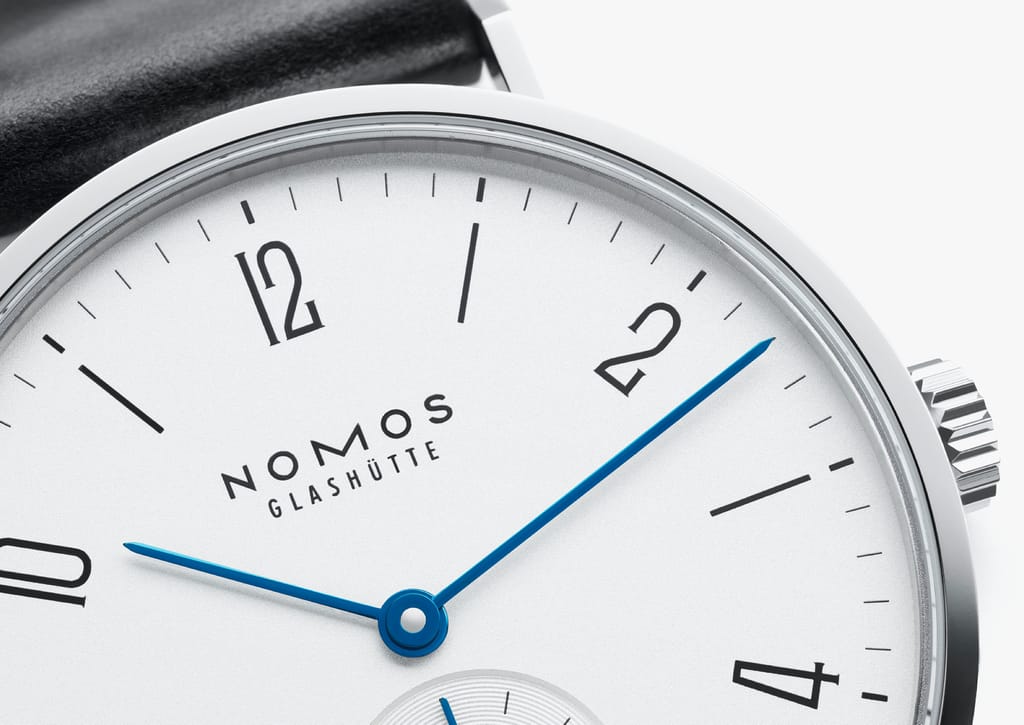
The signature is the Tangente, a Bauhaus design first drawn in 1992: a thin, hand-wound watch with a clean white dial and tempered blue hands. It is the opposite of the oversized status watch. At 35 millimetres it asks to be noticed slowly, if at all.

It is the opposite of the oversized status watch. At 35 millimetres it asks to be noticed slowly, if at all.

For the considered Indian buyer, Nomos is the cleanest possible introduction to mechanical watches as objects-that-outlive-you. There is no celebrity face, no manufactured scarcity — only German precision, a Bauhaus philosophy of form, and the rare integrity of a maker that builds the thing inside the thing. A watch you wind by hand each morning is a small daily ritual; this is the brand that makes the ritual worth keeping.

Where to find — nomos-glashuette.com · in India via authorised retailers.

The Second Look · Nomos Glashütte
Nomos Tangente — tempered blue hands
Tempered blue · heated to 290°C
Nomos caliber DUW 4001
Caliber DUW 4001 · built in-house
Nomos Tangente — side profile
6.2 millimetres · the side view

The Edit

Seven more, each worth the second look.

Lighter than the features, held to the same discipline. A brand, the reason it earns its place, and three objects to begin with — each linked to where it lives.

MAAP — cycling apparel
MAAP · Melbourne
No. 03 · The Edit·Cycling apparel·Melbourne, est. 2014

MAAP

the cycling brand for the person who also goes to dinner.

The cycling apparel category was organised, for fifty years, around the racing peloton — team jerseys, hi-vis, a hundred unspoken rules.

MAAP arrived in 2014 with a different brief: design kit for the rider who is also an adult. Italian lycra and Swiss bib straps, yes — but a colour palette that does not embarrass you at the café, and a fit that does not require ten years of training to inhabit. The 'Sunday Service' rides — free, open to anyone, in every city with a store — are the cultural anchor. The brand is sold through belonging, not performance claims. For an Indian rider, MAAP does the translation work for you: one jersey, one bib, and you can ride with confidence in any city in the world.

Where to find — maap.cc · ships to India · also on SSENSE.

Hender Scheme — MIP-10 natural leather
Hender Scheme · MIP-10, Tokyo
No. 04 · The Edit·Footwear · leather·Tokyo, est. 2010

Hender Scheme

canonical sneakers, retold in the slow vocabulary of dress shoes.

Ryo Kashiwazaki's Tokyo studio has, since 2010, built a quiet cult around a single idea.

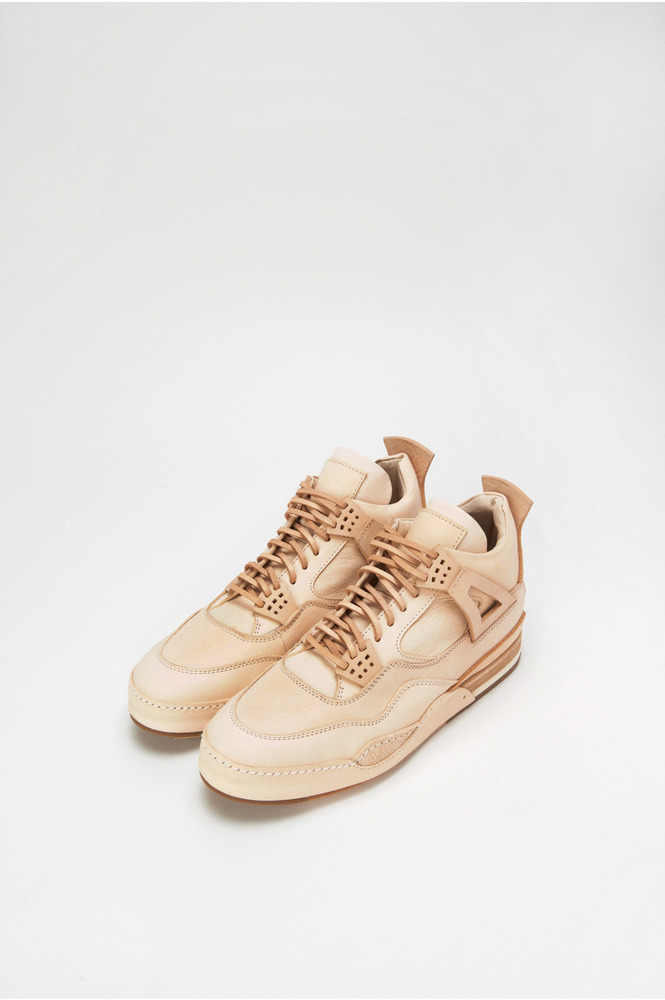
The 'manual industrial products' line reinterprets the most famous sneaker silhouettes in vegetable-tanned natural leather — not as parody, but as translation. The MIP-10 is a homage to the Air Jordan 4; the leather begins almost white and darkens, with wear, into something only the wearer could have made. These are shoes that age into you. In a category built on newness and hype, Hender Scheme is the opposite proposition: an object that is more itself in year five than on day one.

Where to find — online.henderscheme.com · ships to India direct · also Mr Porter & SSENSE.

Common Projects Achilles — white leather
Common Projects Achilles · via SSENSE
No. 05 · The Edit·Footwear · minimal sneakers·New York / Italy, est. 2004

Common Projects

the white leather sneaker that defined a category — and stamped no logo on it.

The Achilles Low is the plain white Italian-leather sneaker so completely resolved that it created a category and then quietly owned it.

There is no logo. The only mark is a gold-foiled serial number stamped into the heel — the most restrained possible signature. Made in Italy on a Margom sole, it is the proof of the first rule of the edit: the product earned the category, the category did not make the product. Twenty years on, it remains the answer to a simple question — what is the one good white sneaker — and the answer has not needed to change. A note on buying: Common Projects' own site is a look-book; the dependable, India-shipping path is SSENSE (which runs an India storefront) or Mr Porter.

Where to find — via Mr Porter & SSENSE · both ship to India, duties prepaid.

Le Gramme — cable bracelets
Le Gramme · the cable, Paris
No. 06 · The Edit·Jewellery·Paris, est. 2012

Le Gramme

jewellery priced by the honesty of its own weight.

The concept self-explains: Parisian unisex jewellery sold by the gram.

A bracelet is the 7g cable; a ring is the 7g ribbon; the price follows the precision of the metal rather than the logic of a designer markup. The result is the most rational possible luxury — minimal silver and gold pieces that read as architecture for the wrist, stackable, unisex, and quietly exact. Le Gramme is what happens when a maker decides that the material, weighed and named, is the whole of the design.

Where to find — legramme.com · ships internationally · also on SSENSE.

Compagnie de Provence — Marseille soap
Compagnie de Provence · Marseille
No. 07 · The Edit·Cosmetics·Marseille, est. 1986

Compagnie de Provence

a 600-year material tradition, packaged for the modern counter.

The Marseille soap method has been protected by formula since the 17th century — olive-oil-based, made in the old way, near the port.

Compagnie de Provence took that material tradition and gave it a contemporary, restrained design language: the liquid Marseille soap in its tall amber-and-glass bottle is now a fixture on considered kitchen and bathroom counters worldwide. It is the most everyday object in this issue, and that is the point — the discipline of looking twice applies as much to the soap by the sink as to the watch on the wrist. A note for India: the brand ships within Europe and the UK; Indian readers will need a forwarder or a marketplace listing.

Where to find — compagniedeprovence.com · ships Europe/UK · India via forwarder.

The Considered Life

Not more things. The right ones, understood.

CHIMI 05 — tortoise acetate
CHIMI 05 · Stockholm
No. 08 · The Edit·Eyewear·Stockholm, est. 2016

CHIMI

Scandinavian colour discipline, Italian frame-making, none of the markup.

Founded in 2016 by three former skateboarders, CHIMI does one thing the legacy eyewear houses make oddly difficult: good frames at an honest price.

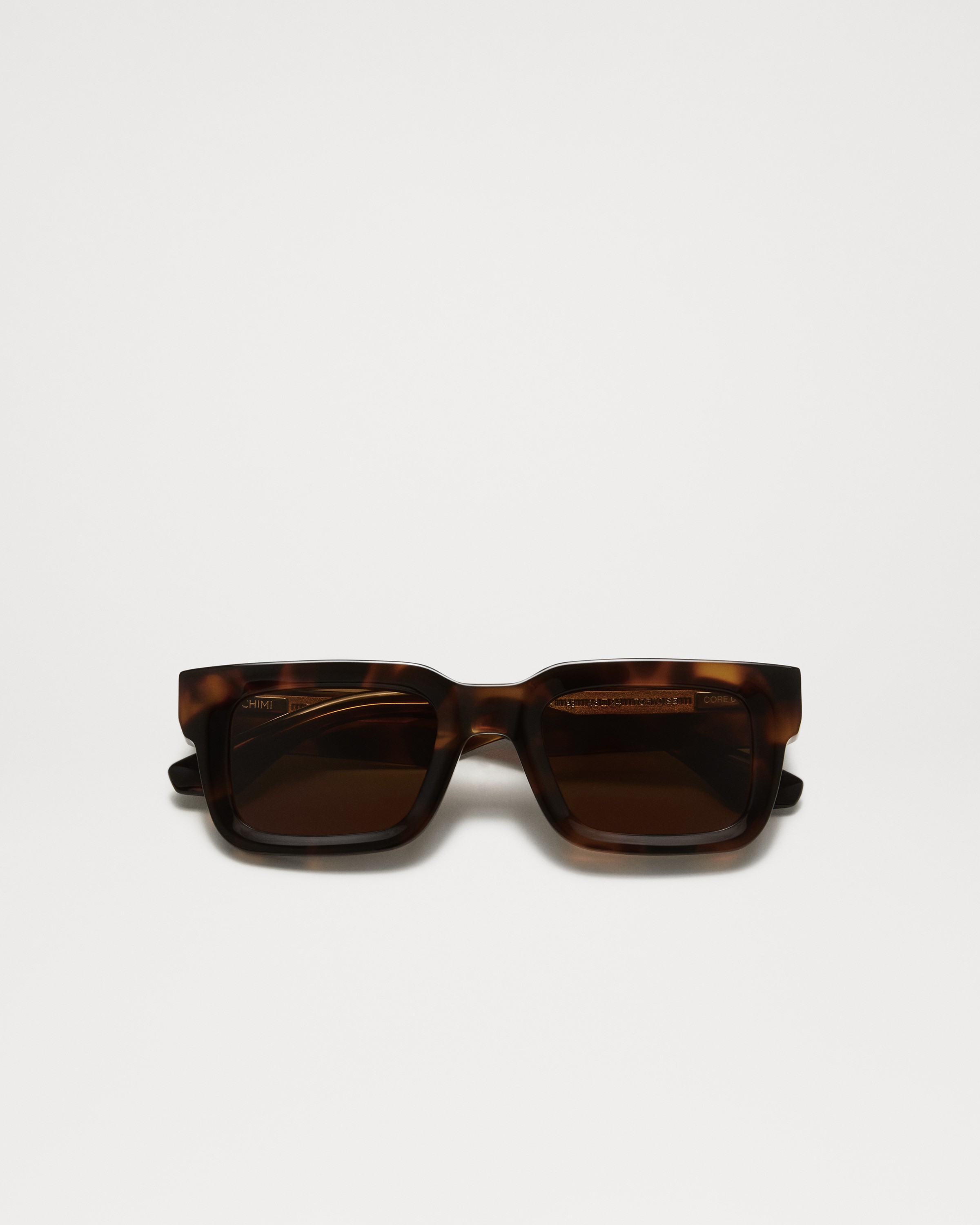
Designed in Stockholm, made in Italy, the acetate frames carry a restrained Scandinavian colour palette and a price that reflects the frame rather than a licensing chain. The signature silhouettes — the rounder 04, the slightly squarer 05, the steel Pilot — are the kind of glasses you buy once and wear for years. And for the Indian reader, the cleanest story in this issue: CHIMI runs a dedicated India store with rupee pricing and domestic delivery.

Where to find — chimi-online.in · a dedicated India store, INR, ships India direct.

Anavila — Mariposa cushion cover, natural linen
Anavila · Mariposa, natural linen — Mumbai
No. 09 · The Edit·Home · linen textiles·Mumbai

Anavila

the linen hand that dressed India, now setting its rooms.

Around 2010, Anavila Misra invented the linen sari — years of handloom work to make a fabric that resists the drape finally hold it. That is the credential. The reason she is in this issue is what came after.

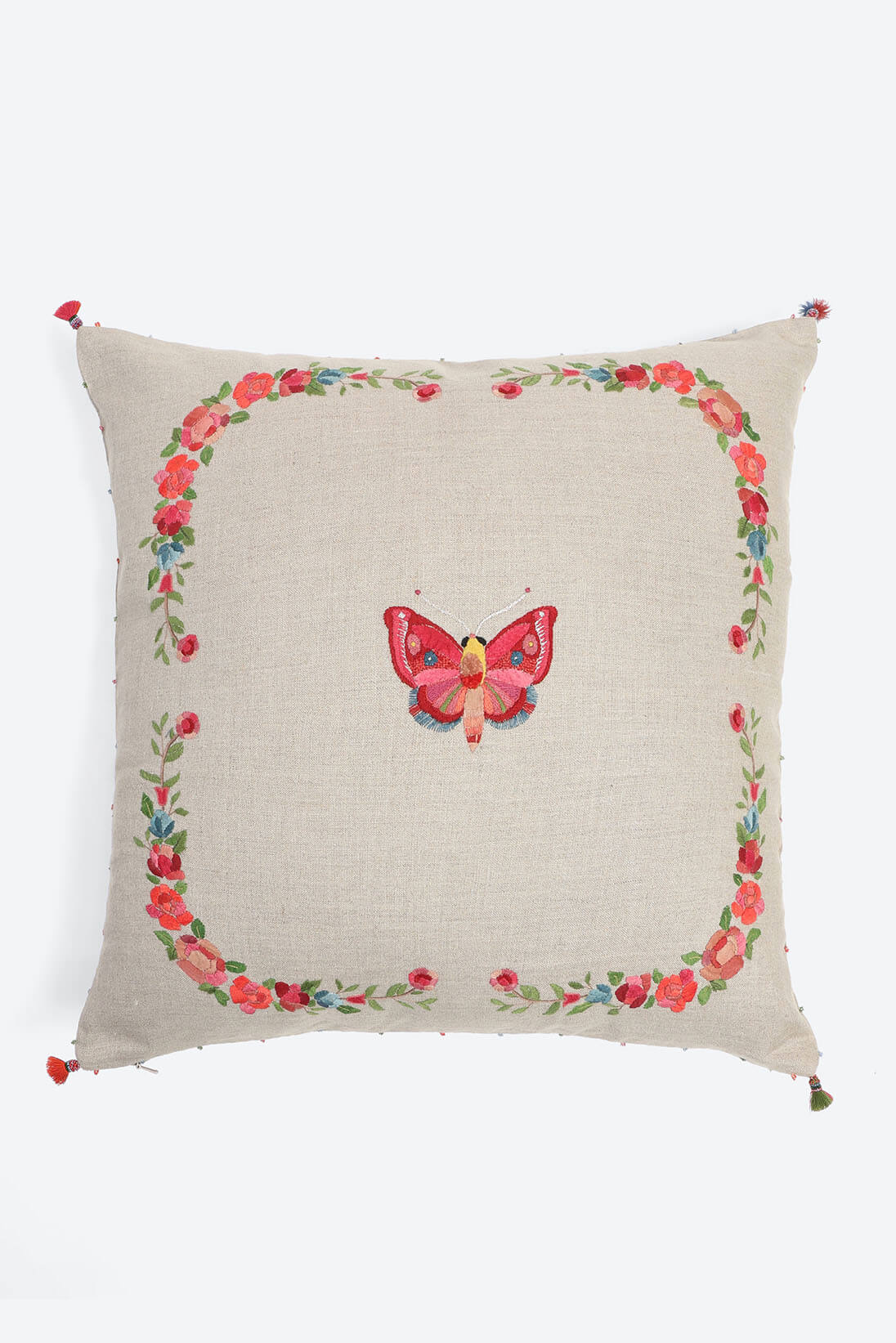
Home & Spaces takes the same discipline off the body and lays it across the room: cushions with hand-appliquéd motifs on natural linen, handwoven throws and quilts, runners and table linen in a palette that never raises its voice. It is the Frama instinct, arrived at from the loom instead of the apothecary — small domestic objects, one material understood completely, made by hands that answer for them. The homeground name in this issue — and exactly the kind of maker the shop is being built around.

Where to find — anavila.com · Home & Spaces · Mumbai · INR, ships India direct.

What they have in common

Three threads.

the connecting tissue
I

Founder-led, not conglomerate-owned.

Each began as one person noticing that something everyday — a hand wash, a watch, a sneaker, a bar of soap — had not been thought about properly in years. None belongs to a luxury conglomerate.

II

Considered over correct.

The cabinet shelf over the photograph. The supply chain over the campaign. The hand that reaches without thinking over the conversion funnel. Each brand is built around the long tail of a small daily decision.

III

A category is not a destination.

Nomos refines one watch in many quiet variations. Frama sells furniture and fragrance from a former apothecary. Common Projects has spent twenty years perfecting a single silhouette. None treats the category as the finish line.

Why we open at home.

A lens is proven by what it selects, not by where it ships from.

For these pages you have read the argument for objects made in Copenhagen, Glashütte, Tokyo, Paris. That is the lens at full stretch — the world, looked at twice. Now the doors open, and the first objects we carry are made rather closer: in Bangalore, Mumbai, New Delhi, and a valley above the Bay of Bengal.

This is not a compromise. It is the same three tests, applied at home. The makers in our first drop pass them the way Frama and Nomos do — their work sits in international design stores, is certified in their own labs, is roasted at flagships abroad before it is poured anywhere else — and the difference is that these objects reach you in days, in rupees, with a returns address you could drive to. For a reader in India, that is not the lesser version of the considered life. It is the considered life, deliverable.

The magazine reads the world. The shop opens at home. One lens.

The world is coming — and the register is already open. As you read this issue, add any object to your register: nothing is charged, nothing is fake, it is simply choosing, kept. The global names we do not yet carry live there until the route opens; the homeground names will be waiting when the doors do. Until then: the lens, turned homeward. The argument for each object, written. The ones we turned away, written too.

When we open

Be the first
to walk in —
and the first to
know what we found.

A new issue every six weeks. Nine brands, one long read, the same discipline of looking twice — for now an edit you read, in time an edit you can buy. Anything here catch your eye? Add it to your register as you read — when the doors open, your register is waiting, and early access is ranked by when you chose. The waitlist is open now.

Join the waitlist →
Register · 0